TB-500
From $120.00
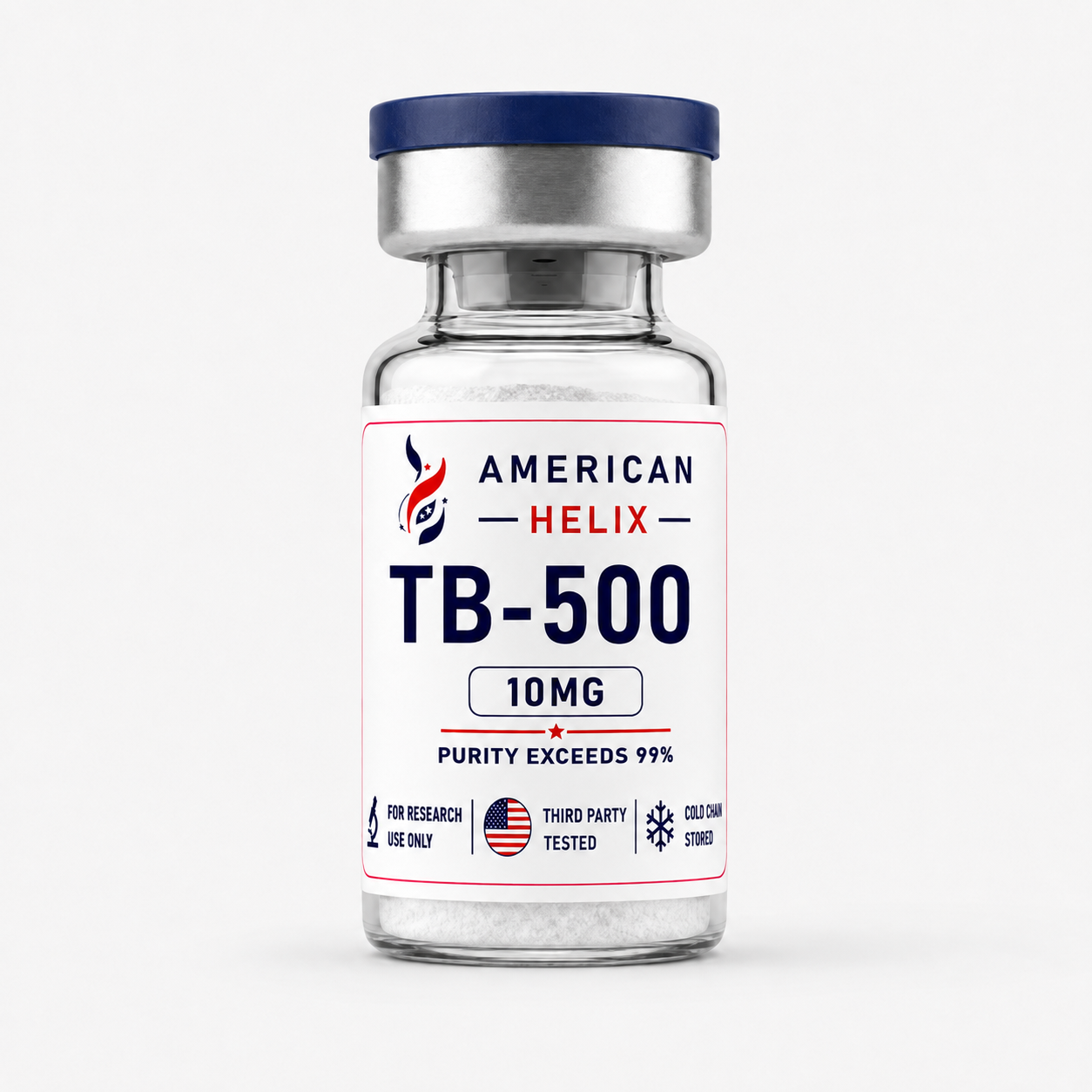
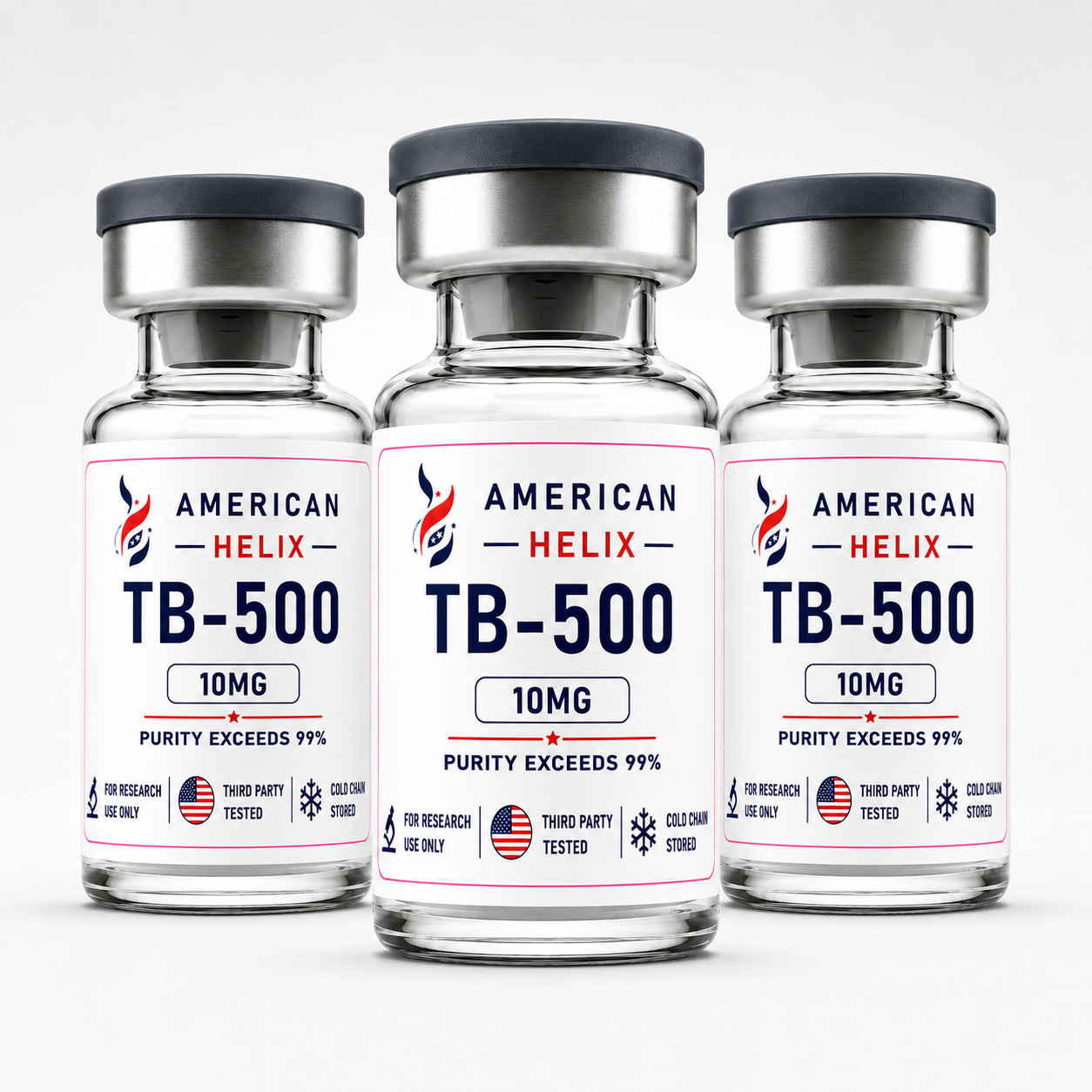
TB-500 (Thymosin Beta-4 Fragment) – Research Grade 10MG
Synthetic 43-amino-acid N-acetylated polypeptide (Ac-SDKPDMAEIEKFDKSKLKKTETQEKNPLPSKETIEQEKQAGES). CAS: 77591-33-4. Molecular Weight: ~4963 g/mol. Purity ≥98% verified by HPLC. For in-vitro laboratory research applications only. Not for human or veterinary use.
Product Overview
TB-500 is a synthetic 43-amino-acid N-acetylated polypeptide. The peptide corresponds to a specific isoform of a naturally occurring peptide and features an N-terminal acetylation, a modification commonly employed to enhance stability in research settings.
Technical Specifications
| Sequence (1-Letter) | Ac-SDKPDMAEIEKFDKSKLKKTETQEKNPLPSKETIEQEKQAGES |
|---|---|
| Sequence (3-Letter) | Ac-Ser-Asp-Lys-Pro-Asp-Met-Ala-Glu-Ile-Glu-Lys-Phe-Asp-Lys-Ser-Lys-Leu-Lys-Lys-Thr-Glu-Thr-Gln-Glu-Lys-Asn-Pro-Leu-Pro-Ser-Lys-Glu-Thr-Ile-Glu-Gln-Glu-Lys-Gln-Ala-Gly-Glu-Ser |
| CAS Number | 77591-33-4 |
| Molecular Formula | C₂₁₂H₃₅₀N₅₆O₇₈S |
| Molecular Weight | ~4963 g/mol |
| Purity (HPLC) | ≥98% |
| Physical Form | Lyophilized powder |
| Vial Content | 10 mg |
Structural Context
TB-500 is a 43-amino-acid acetylated polypeptide. The structure incorporates a significant number of charged residues (Glutamic Acid, Aspartic Acid, and Lysine) interspersed throughout the sequence, which contribute to its solubility profile in aqueous buffers. The N-terminal acetylation provides a structurally defined endpoint, while the presence of a single Methionine and multiple hydrophobic residues (Leucine, Isoleucine, Phenylalanine, Alanine, Proline) interspersed within the hydrophilic domains creates a distinct amphipathic profile. The total residue count (43 amino acids) and defined primary sequence make this polypeptide suitable for analytical method development, chromatographic reference studies, and stability assessments in controlled laboratory environments.
Handling and Storage
The peptide is supplied in lyophilized (freeze-dried) powder form in a 10 mg vial. For optimal stability, store lyophilized material at or below -20°C. Protect from repeated freeze-thaw cycles, moisture, and prolonged exposure to light, heat, and humidity.
Research Applications
This product is manufactured and supplied as a chemical reference standard for in-vitro laboratory research applications including analytical method development, chromatographic reference studies, and stability assessments in controlled laboratory environments.
| TB-500 | 1Pack, 3Pack |
|---|
Related products
-
Bioenergetics Research
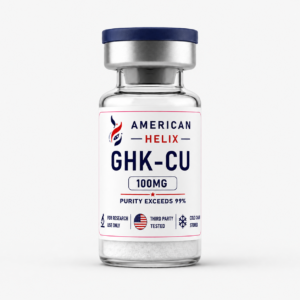
GHK-Cu
From $59.00 Select options This product has multiple variants. The options may be chosen on the product page -
Connective Tissue Assays
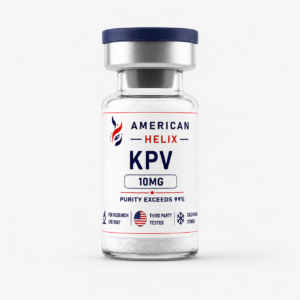
KPV
From $63.00 Select options This product has multiple variants. The options may be chosen on the product page -
Bioenergetics Research
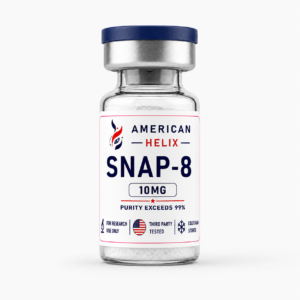
Snap-8
From $37.00 Select options This product has multiple variants. The options may be chosen on the product page -
All Reference Standards
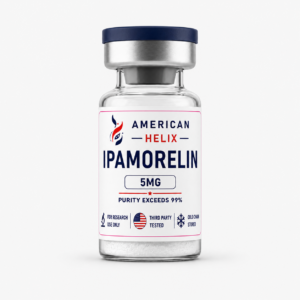
Ipamorelin
From $41.00 Select options This product has multiple variants. The options may be chosen on the product page