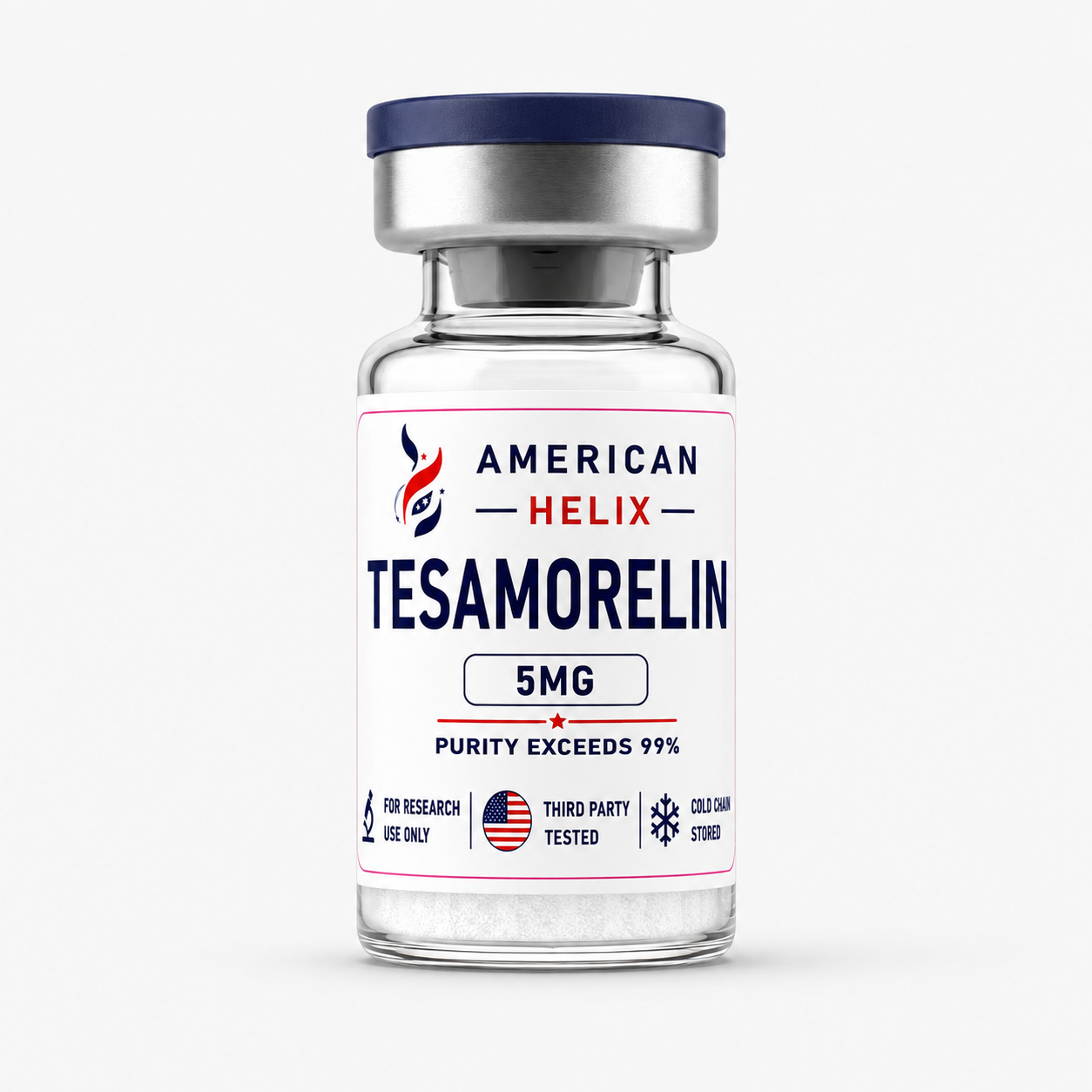
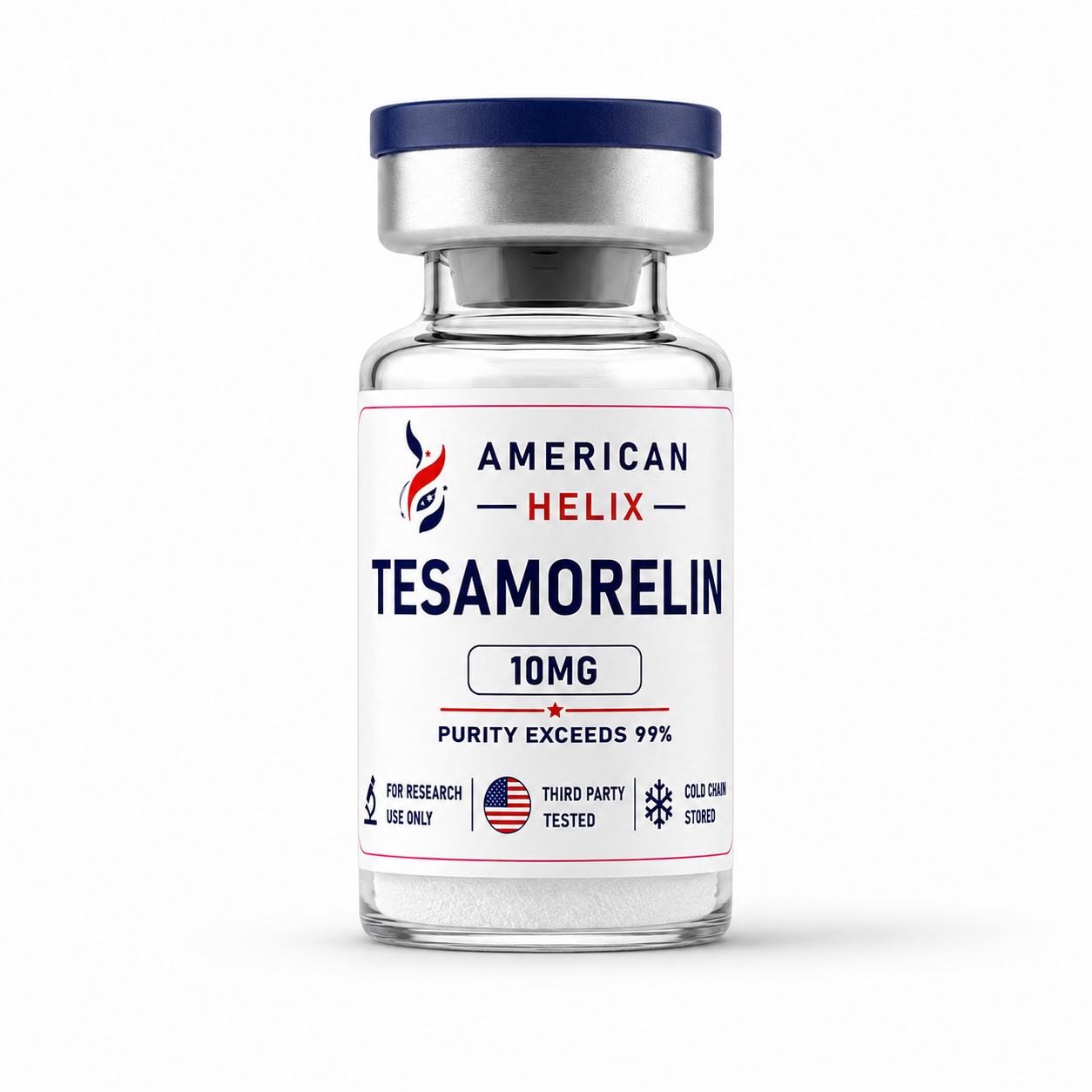
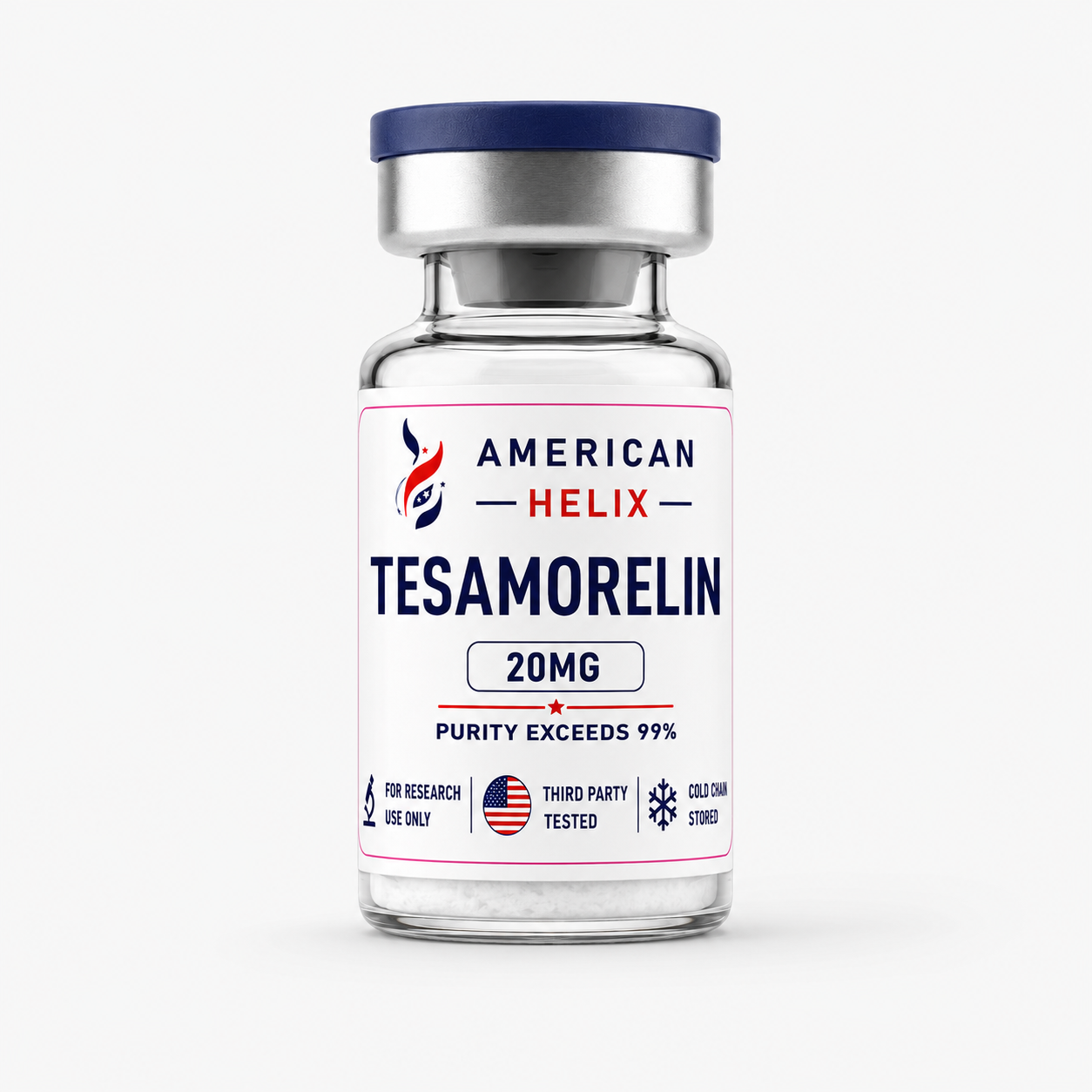
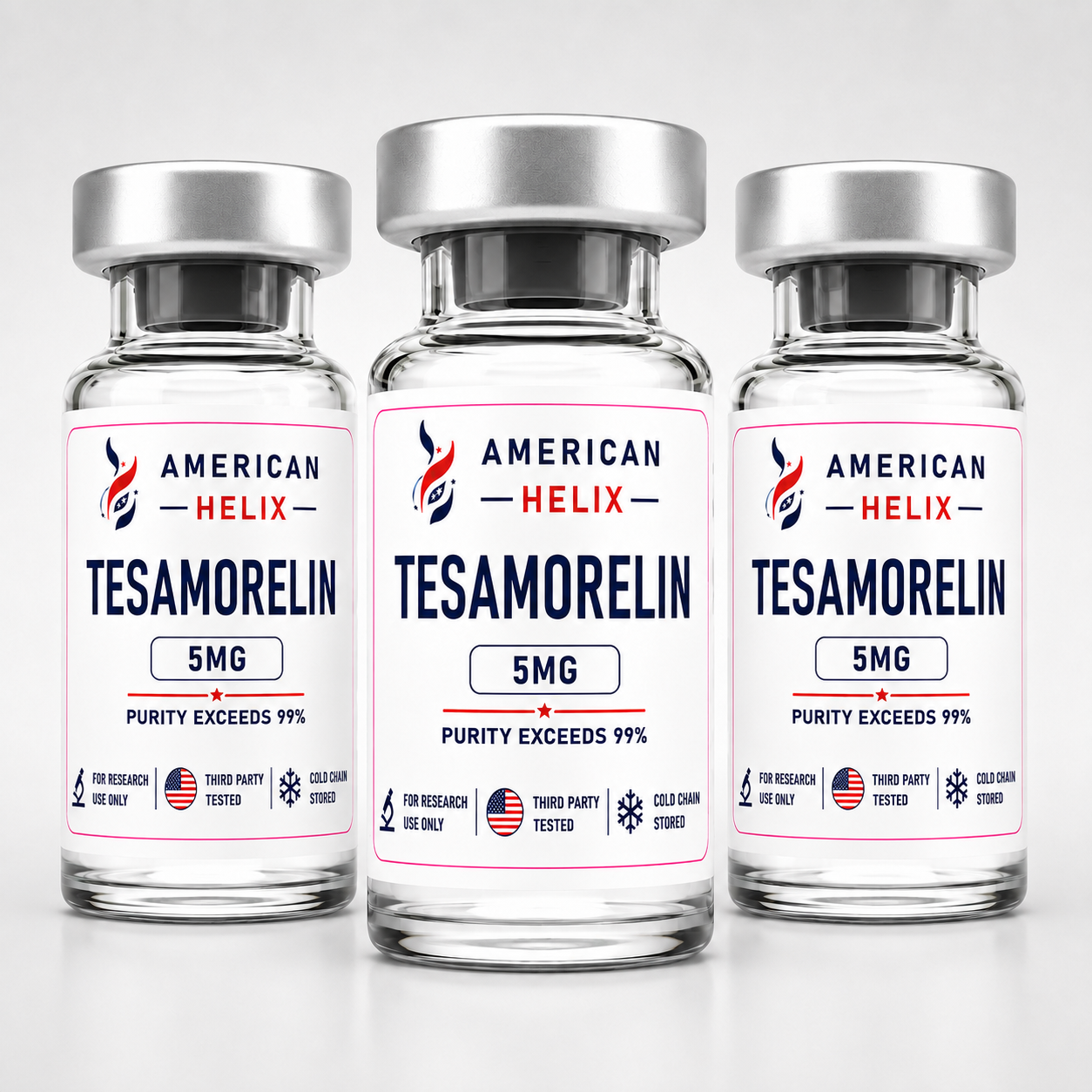
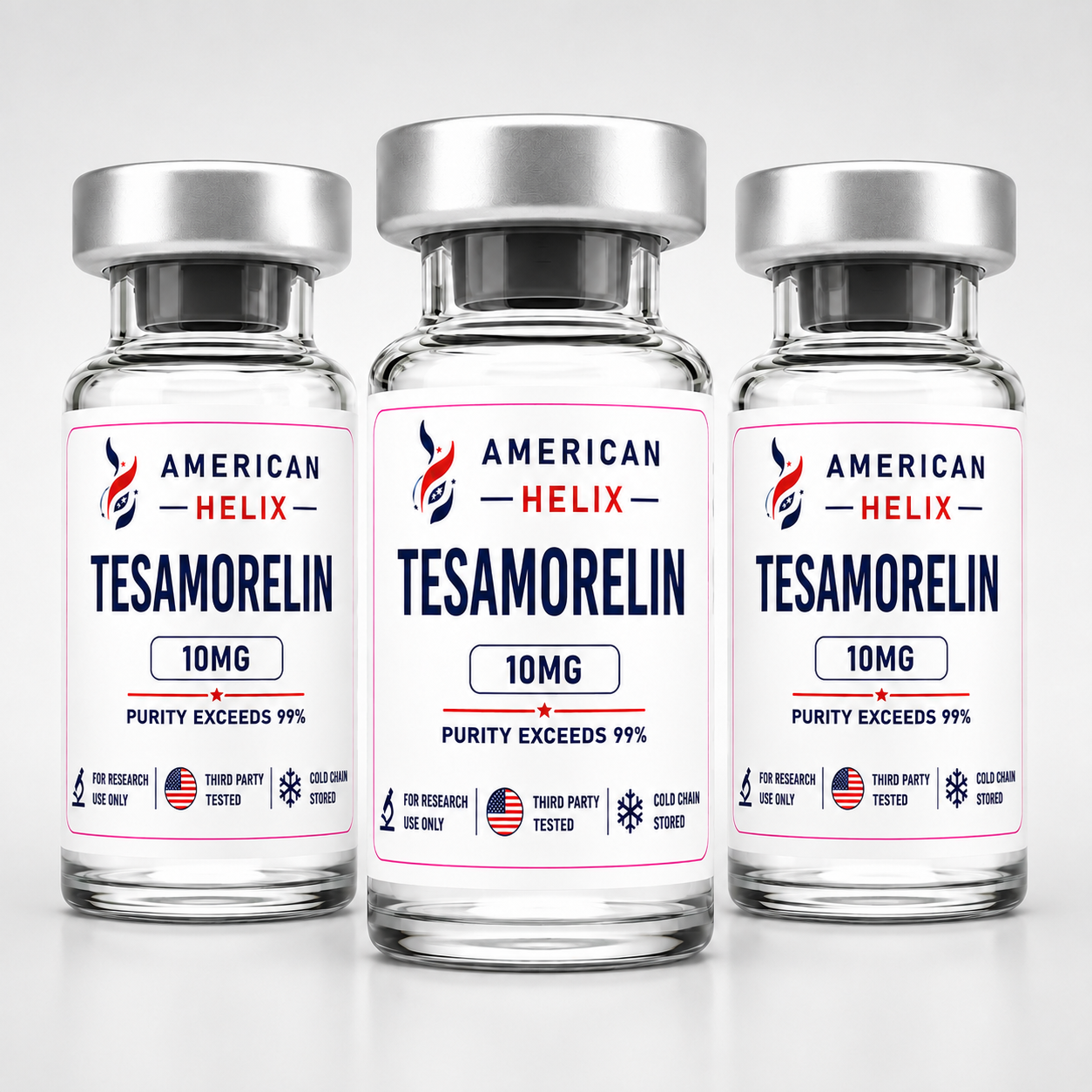
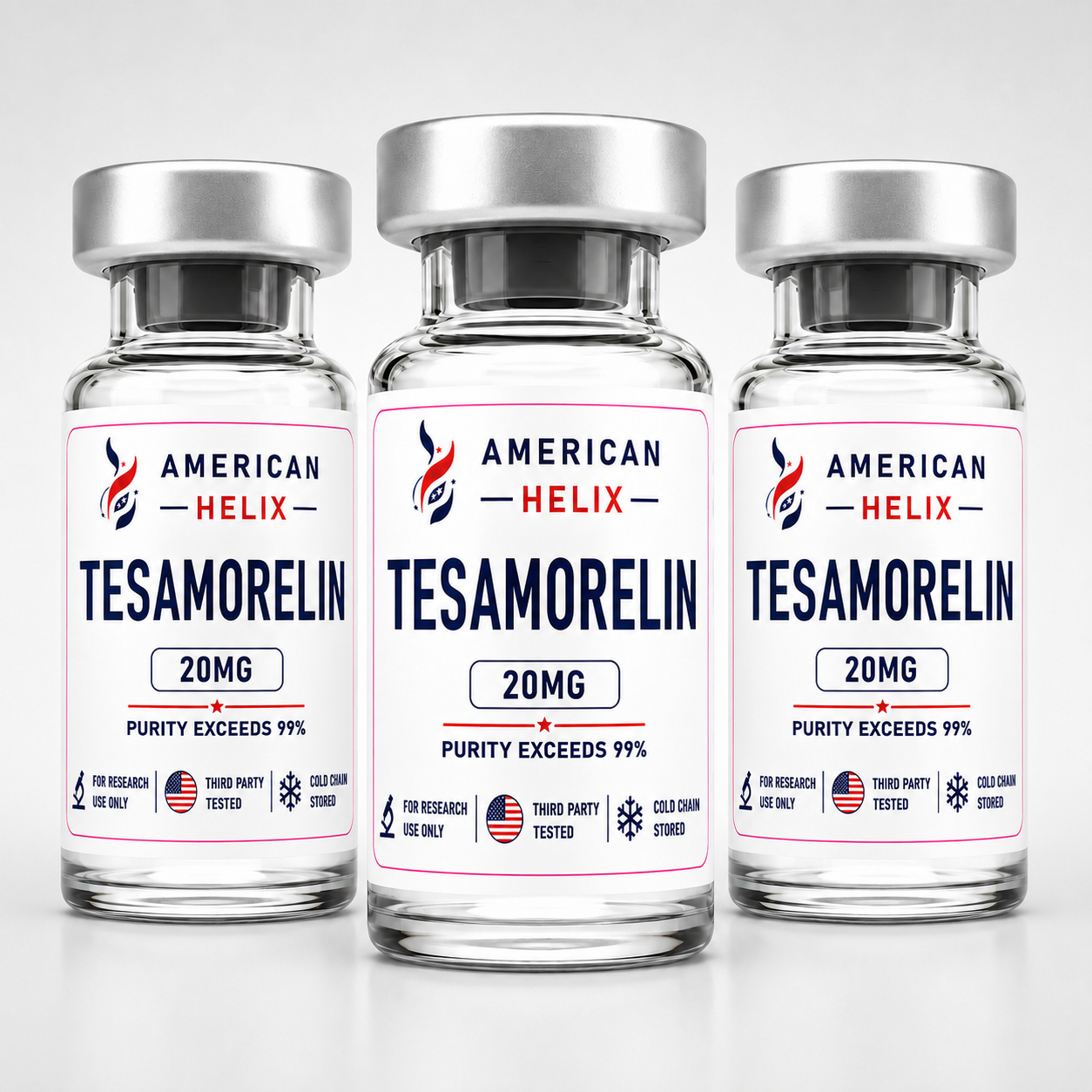
Tesamorelin
From $100.00
Tesamorelin – Research Grade
Synthetic 44-amino acid amide peptide (H-Tyr-Ala-Asp-Ala-Ile-Phe-Thr-Asn-Ser-Tyr-Arg-Lys-Val-Leu-Gly-Gln-Leu-Ser-Ala-Arg-Lys-Leu-Leu-Gln-Asp-Ile-Met-Ser-Arg-Gln-Gln-Gly-Glu-Ser-Asn-Gln-Glu-Arg-Gly-Ala-Arg-Ala-Arg-Leu-NH₂). CAS: 144558-39-8. Molecular Weight: ~5135.8 g/mol. Purity ≥98% verified by HPLC. For in-vitro laboratory research applications only. Not for human or veterinary use.
Product Overview
Tesamorelin is a synthetic 44-amino acid amide peptide. The peptide features a C-terminal amidation and comprises the full-length 44-residue sequence corresponding to a regulatory peptide fragment. The peptide’s structure includes multiple charged residues and a balanced distribution of hydrophobic and hydrophilic segments, providing a distinct molecular architecture for analytical investigation.
Technical Specifications
| Sequence (1-Letter) | H-YADAIFTNSYRKVLGQLSARKLLQDIMSRQQGESNQERGA RARL-NH₂ |
|---|---|
| Sequence (3-Letter) | H-Tyr-Ala-Asp-Ala-Ile-Phe-Thr-Asn-Ser-Tyr-Arg-Lys-Val-Leu-Gly-Gln-Leu-Ser-Ala-Arg-Lys-Leu-Leu-Gln-Asp-Ile-Met-Ser-Arg-Gln-Gln-Gly-Glu-Ser-Asn-Gln-Glu-Arg-Gly-Ala-Arg-Ala-Arg-Leu-NH₂ |
| CAS Number | 144558-39-8 |
| Molecular Formula | C₂₂₁H₃₆₆N₇₂O₆₆S |
| Molecular Weight | ~5135.8 g/mol |
| Purity (HPLC) | ≥98% |
| Physical Form | Lyophilized powder |
| Vial Content | 10 mg |
Structural Context
Tesamorelin is a 44-amino acid amide peptide that corresponds to the full-length sequence of a naturally occurring regulatory peptide fragment. The incorporation of a C-terminal amide provides a distinct structural endpoint. The peptide features multiple positively charged residues (Arginine and Lysine) alongside hydrophobic residues (Leucine, Isoleucine, Valine, and Phenylalanine), creating an amphipathic molecular architecture. The presence of a single Methionine and a single Tyrosine residue provides potential sites for analytical characterization. This comprehensive 44-residue structure makes it suitable for analytical method development, chromatographic reference studies, and stability assessments in controlled laboratory environments.
Handling and Storage
The peptide is supplied in lyophilized (freeze-dried) powder form. For optimal stability, storage at or below -20°C is recommended. Protect from repeated freeze-thaw cycles and prolonged exposure to light, heat, and moisture.
Research Applications
This product is manufactured and supplied as a chemical reference standard for in-vitro laboratory research applications including analytical method development, chromatographic reference studies, and stability assessments in controlled laboratory environments.
| Tesamorelin | Tesamorelin 5mg, Tesamorelin 10mg, Tesamorelin 20mg |
|---|---|
| Pack | 1Pack, 3Pack |
Related products
-
All Reference Standards
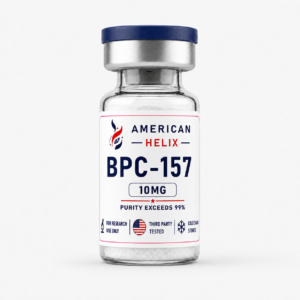
BPC-157
From $61.00 Select options This product has multiple variants. The options may be chosen on the product page -
Connective Tissue Assays
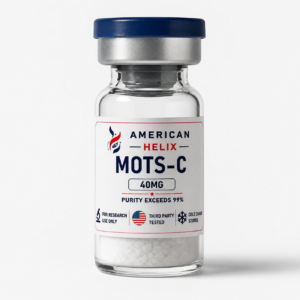
MOTS-C
From $195.00 Select options This product has multiple variants. The options may be chosen on the product page -
Connective Tissue Assays
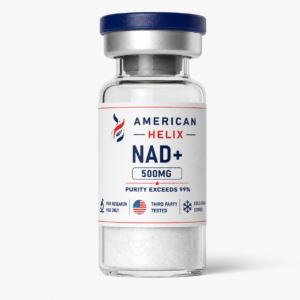
NAD+
From $86.00 Select options This product has multiple variants. The options may be chosen on the product page -
All Reference Standards
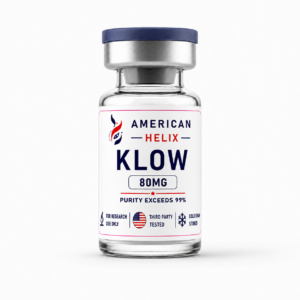
KLOW
From $125.00 Select options This product has multiple variants. The options may be chosen on the product page